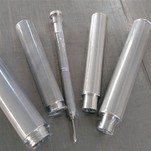
The manufacturing process for melt-blown filter cartridges typically involves the following steps:
Raw Material Preparation: Materials such as polypropylene and polyester are prepared and subjected to pretreatment processes, such as heating and melting.
Melt-Blowing: The raw materials are extruded through a melt-blown die to form a layer of fine, filament-like fibers; these fibers are then accumulated using methods such as electrostatic adsorption.
Forming: The accumulated fibers undergo pressure molding to take on the specific shape of the melt-blown filter cartridge.
Post-processing: The filter cartridges undergo post-processing treatments-including machining, cleaning, and drying-to ensure they meet the required specifications and quality standards.
Melt-blown filter cartridges have a wide range of applications and are primarily utilized in environments where the filtration of minute particles and harmful substances is required-such as hospitals, laboratories, electronics manufacturing plants, and chemical factories. Additionally, melt-blown filter cartridges can be combined with other types of filter elements to create composite filter cartridges, thereby enhancing both filtration efficiency and service life.